The Nursery Turtle: A Designer’s Practical Look
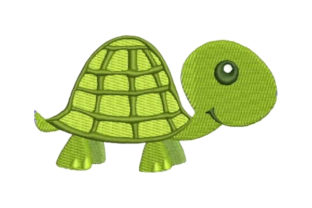
When a new embroidery file arrives, my first question isn’t just “is it cute?”—it’s “where does this design truly live?” Looking at the Nursery Turtle, the answer feels immediate. This isn’t a flashy, complex piece; it’s a gentle, welcoming character with a soft, rounded shape and an expression that leans into calm rather than cartoonish excitement. The mood it creates is pure, quiet comfort. That makes its natural home clear: projects meant for nurturing, for gifts, for spaces and items where warmth is the primary goal.
Beyond the Screen: Where This Turtle Finds Its Feet
Imagine you’re preparing a custom order for a client’s baby gift. You’re considering a tote bag for the new parents, a personalized blanket, or perhaps a set of burp cloths. The Nursery Turtle isn’t just an image; it’s a thematic anchor. Its simple, clean outlines and likely moderate detail level suggest it will stitch out with clarity, without becoming overly dense—a key point for softer fabrics like cotton knits or baby terry cloth. On a crisp white sweatshirt for a toddler, or the corner of a pillow cover in a nursery, it would act as a quiet, charming accent rather than a loud statement.
For small business owners and Etsy sellers, this design slots easily into a product line. Think of simple kitchen towels with a small turtle near the hem, aprons for a gardening boutique, or lightweight caps for a spring market. Its “baby animals” category isn’t a limitation; it’s a signal of its gentle personality, making it suitable for wedding gift handkerchiefs, “new home” gifts, or any product where a touch of innocent charm is desired. In printable mockups for your digital store, or as a finished product at a craft fair, its appeal is straightforward and emotionally clear—which is excellent for buyer engagement.
Considerations Before Hooping: The Real-World Test
While the description notes it’s ideal for any fabric, a practical designer always thinks through context. On highly textured fabrics like thick towels or looped blankets, the finer details—perhaps the turtle’s eye or shell patterns—might need careful stabilizer choice to remain sharp. On stretchy fabric for baby apparel, adequate stabilization is non-negotiable to prevent puckering. On dark fabric backgrounds, the intended thread color palette becomes crucial; you’d want to test contrast on scrap first to ensure the design’s friendly expression isn’t lost.
For curved surfaces like caps, the design’s overall shape and size matter most. If it’s too wide or has dense fill stitch areas concentrated in one spot, it could be challenging. This is where checking the actual file for stitch density and recommended hoop size (details you should confirm from the provider) becomes a vital step. Similarly, if you plan to create an embroidered patch, you need to assess whether the design has clean, closed outlines—likely satin stitch borders—that will withstand cutting and edging.
The Professional Impact: Stitching as a Business Decision
Using a design like Nursery Turtle in client projects or for your handmade shop merchandise affects more than just the item. It influences perceived value. A design that stitches out cleanly, without thread breaks or awkward jumps, builds customer trust. It shows professionalism. This turtle, with its likely simple fill stitches and running stitch outlines, should be reliable, leading to a polished finished product that feels intentional, not haphazard.
For brand consistency, if your shop specializes in gentle, nature-inspired, or baby-focused items, this design fits seamlessly. Its giftability is high—it’s inherently personal and sweet. However, its recognition factor is subtle; it’s not a branded logo. That’s perfect for personalized gifts but means it serves as a design asset within a collection, not a standalone signature piece for a business identity.
A Few Designer Notes Before You Stitch
My routine before committing any design to a final project involves a few key steps, and for the Nursery Turtle, I’d follow the same path. First, always stitch it out on a scrap of the actual fabric you plan to use, with the stabilizer you intend to employ. This reveals everything: thread color interaction, how small details like facial features emerge, and whether the stitch density feels appropriate for the material.
Second, consider the end use. If the item will undergo frequent washing—like baby clothes or kitchen linens—review the design’s construction. Areas with many closely packed stitches can be less flexible over time. Third, confirm the licensing terms for the embroidery file. If you are an Etsy seller or digital product seller creating finished items for commercial sale, you must ensure your usage is permitted. The description mentions multiple embroidery file formats, which is excellent for machine compatibility, but always verify which formats you actually need for your equipment.
Finally, view the design in context. Create a simple black and white mockup to see its form without color. Imagine it on both light and dark backgrounds. This helps you plan thread purchases and advises clients on color choices for their custom apparel.
The Final Impression: A Trustworthy, Gentle Asset
The Nursery Turtle doesn’t try to be everything. It aims to be one specific thing: a cute, calming addition to projects that benefit from a touch of innocent charm. From a designer’s point of view, that focus is its strength. For embroidery projects targeting gifts, baby items, boutique home goods, or personalization, it’s a low-risk, high-reward design choice. Its visual personality is consistent and likely translates well from digital file to stitched product, which is the core of any successful machine embroidery design.
For crafters, creative entrepreneurs, and makers, the value lies in its applicability. It can become part of a tote bag design for a friend, a sweet accent on a holiday gift apron, or a best-selling item on a baby-focused small shop product line. By approaching it with practical steps—testing, considering fabric, confirming licensing—you transform a simple digital embroidery file into a reliable, profitable, and beautiful finished product. That’s the real goal of any design review: seeing not just the image, but the potential it holds in your hands, under your needle, and in the eyes of your customer.