A Practical Designer's Review of a Bear Cross Stitch Pattern
The Immediate Charm and Simple Power
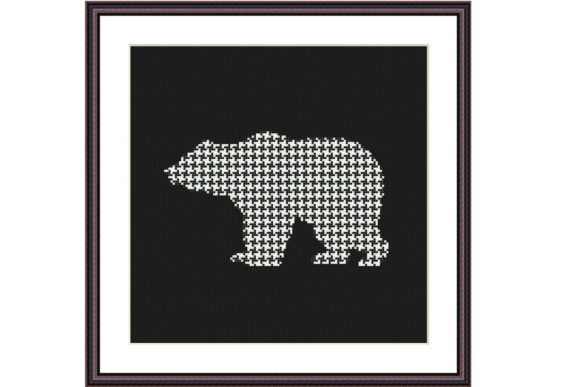
When you first look at this Bear Cross Stitch Pattern Black White, its appeal is immediate and its utility is obvious. The mood it creates is one of gentle charm, leaning towards that classic, timeless feel of a cute animal ornament. The shape is soft and inviting, the layout is straightforward, and the detail level is kept intentionally simple—a wise choice. This isn't a complex, realistic portrait; it’s a friendly character, a graphic with a clear visual personality that feels both nostalgic and fresh. It naturally belongs to projects meant to evoke warmth, like items for a nursery, a cozy kitchen towel, or a personalized gift for someone who appreciates gentle, uncluttered design.
Where This Bear Finds Its Home in Real Projects
From a practical standpoint, this pattern is a versatile ally. Its use of only full stitches and the black-and-white palette makes it a remarkably adaptable design asset. I picture it embroidered on a child’s sweatshirt pocket, a simple but effective accent. It would work beautifully as a single motif on a tote bag, providing that handmade, boutique look without overwhelming the fabric. Consider it for a custom apron or a pillow cover in a cabin-themed decor line. For small business merchandise, like at a craft fair, this bear could be the star on a series of tea towels or simple patches—products that are quick to stitch yet feel complete and polished.
Its graphic nature also makes it a strong candidate for digital product previews and printable mockups. As an Etsy seller or digital product creator, you could easily showcase this pattern stitched on various custom apparel mockups, demonstrating its application without having to produce a dozen physical samples first. This efficiency is key for creative entrepreneurs.
A Specific Scenario: The Boutique Baby Gift
Let’s walk through a real case. Imagine you’re preparing a custom baby blanket for a client or for your own shop’s holiday gift collection. You choose this bear pattern. The black outlines on a white or light-colored blanket would be crisp and clear, creating a focal point that’s sweet but not overly busy. The lack of tiny, intricate details means it will stitch up cleanly, even on a slightly textured fabric like a cotton blanket. The finished product feels professional, trustworthy—a gift that looks carefully made, not hastily chosen. That customer trust in the quality of handmade presentation is invaluable.
Caution Zones: Where to Pay Attention
While this is an easy cross stitch design, some applications require a bit more forethought. Its success hinges on contrast. On very dark fabric backgrounds, the white elements would need to be stitched with a bright, opaque thread to maintain that graphic punch—this isn’t always a given. Similarly, on very stretchy fabric like a standard t-shirt, you’d need to consider stabilizer choice carefully to keep those full stitches from distorting.
The design’s simplicity means it can scale down for small hoop sizes, but be mindful of the fabric itself. On a curved surface like a cap, the rounded shape of the bear would work well, but you must secure the fabric properly to avoid puckering. For products destined for frequent washing, like kitchen towels or baby clothes, ensure your thread choice and stitch density are robust enough to handle it. The pattern itself isn’t dense, which is good for durability, but the edges should be secured well.
The Impact on Your Craft and Business
Using this bear pattern affects more than just the stitch count. For your brand consistency, if your shop specializes in clean, animal-themed graphics, this fits seamlessly. It elevates the perceived product value because it looks intentional and well-executed, not generic. For buyer engagement, a cute, recognizable animal like this has an inherent giftability and appeal—it tells a story quickly. It can become a staple in your product line, a reliable design you can turn to for last-minute holiday gifts or to fill a new product category, like embroidered patches.
Designer Notes from the Worktable
Before you commit this bear to a client’s sweatshirt or a batch of tote bags for your shop, here’s my practiced advice. Always test on scrap fabric first. Use the same material you intend for the final product. This lets you check thread color contrast—does that black look solid, does the white pop? Review the stitch density on your test piece; is it too open for the fabric texture? Confirm your hoop size feels comfortable for the entire motif.
Inspect the small details in the pattern, like any potential tight corners, on your test run. Create black and white mockups, comparing how it looks on both light and dark fabric backgrounds digitally before you stitch. This saves time and materials. Use proper stabilizer for the project type; a tote bag might need a different approach than a baby bib.
Most critically, since this is a digital embroidery file categorized under Cross Stitch Patterns and Graphics, check the provided licensing terms before selling finished items or incorporating it into commercial embroidery projects for clients. Ensure your use aligns with the creator’s terms for personal and commercial projects. This protects your business and respects the digital product’s origin.
Final Stitch: A Reliable, Charismatic Design
The Bear Cross Stitch Pattern Black White is, in my estimation, a workhorse design with a friendly face. It doesn’t pretend to be a masterpiece of complexity, but that’s its strength. It offers clarity, a quick stitch time, and a wide field of application for hobbyists making personalized gifts and for small shop owners building their craft business inventory. It’s the kind of pattern you keep in your library, knowing it will deliver a charming, professional-looking finished product whenever you need it. Just apply your practical knowledge—test, adapt, and respect the licensing—and this little bear will carry your project with confidence.