The Easter Bunny in Egg Embroidery Design: A Hands-On Review
A Design That Communicates Joy Before You Even Stitch It
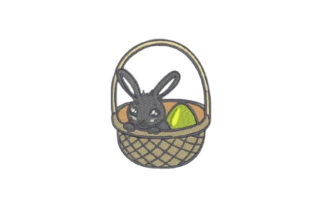
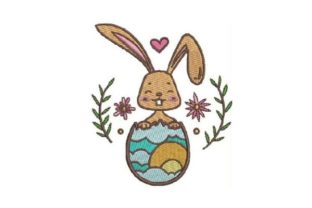
Opening the Easter Bunny in Egg embroidery file, my first impression was pure, uncomplicated delight. This isn't a complex, hyper-detailed illustration; it’s a charming character with a clear, friendly personality. The layout is straightforward—a bunny nestled within an egg shape—making it instantly recognizable. The described satin stitch outlines promise a crisp, clean finish, while the “cute details” suggest a design that won’t overwhelm smaller projects. The mood it creates is lighthearted and sweet, perfect for the celebratory feel of Easter without being overly saccharine. It feels like a design that belongs on items meant to evoke smiles, particularly those for children or as playful gifts.
Where This Bunny Finds Its Home: Practical Project Fit
In thinking about real embroidery projects, this design sings on specific items. As an Etsy seller preparing for the holiday season, I immediately visualized it on a set of custom apparel like children’s sweatshirts or a lightweight spring tote bag. Its friendly, contained shape makes it ideal for a central feature on a baby embroidery item, such as a blanket corner or a simple bib. For a small shop product, consider it as a single, charming motif on a linen kitchen towel or a pillow cover for seasonal nursery decor. The scale feels right for a holiday gift—personalized with a name perhaps—without requiring a huge hoop size or becoming the sole focus of a large garment.
For apparel decorators, it’s a strong candidate for a left-chest placement on a polo shirt or a centered design on a child’s cap. As a standalone embroidered patch, it would be adorable and easily applied. Its appeal is broad enough for craft fair products and specific enough for personalized products from a craft business. In digital product previews and printable mockups, this design provides a clear, attractive visual that customers can easily imagine on their chosen item, boosting buyer engagement.
Caution Areas: Where to Proceed with Care
While the design’s charm is universal, its successful application depends on mindful execution. The reliance on satin stitches for outlines means that on highly textured fabrics like some towels or napped fleece, the crisp lines could lose definition. On thin fabric or stretchy fabric, adequate stabilizer is non-negotiable to prevent puckering and maintain the shape of that iconic egg outline. Embroidering on dark fabric will require careful thread color contrast planning—you’ll want those cute details to pop, not disappear.
Applying it to curved surfaces like caps demands good digitizing (which you should verify in the file) to ensure the bunny’s face doesn’t distort. If there are any particularly tiny details within the design, they might get lost on very small items or if you reduce the size significantly. For products destined for frequent washing, like baby clothes or tea towels, reviewing the stitch density is crucial; overly dense areas can become stiff and less durable over time. Always test first.
How This Design Impacts Your Work and Your Customer’s Perception
From a professional standpoint, a well-stitched Easter Bunny in Egg elevates the visual appeal of a simple product. The clarity of the satin stitch outlines contributes directly to stitching clarity and a polished handmade presentation. For a creative entrepreneur, this consistency builds customer trust and reinforces brand consistency if your niche is playful, seasonal items.
Its inherent giftability and instant recognition as an Easter theme add tangible product value. It makes an item feel special and occasion-specific. This, in turn, supports professionalism in your commercial embroidery work—you’re offering a design that’s both aesthetically pleasing and contextually appropriate. For your buyer engagement, it’s a design that answers a clear seasonal need, making it easier to market in your Etsy listings or small business merchandise.
Essential Designer Notes Before You Hoop Your Fabric
Before committing this design to a client’s custom apparel or your own boutique product, a few practical steps are imperative. First, always test the design on scrap fabric first. Use the same material and weight you plan for the final project. This reveals everything: how the fill stitches (if present) behave, whether the running stitches for small details are clean, and how the overall stitch density feels.
Check thread color contrast thoroughly. Run mental—or actual—black and white mockups to see if the design holds its form without color. Compare light and dark fabric backgrounds in your planning stage; you might need slightly different color palettes for each. Confirm the physical hoop size required for the size you intend to stitch, and ensure your machine can accommodate it.
Inspect the file closely for any small details that might require fine thread or extra attention during stitching. Crucially, as a digital embroidery file, you must confirm licensing before selling finished items or digital products. Understand the terms for personal and commercial projects. Can you use it for personalized gifts you sell? Can you bundle it as part of your own digital product offerings? Never assume; always verify.
Finally, think about the finished product’s life. If it’s a tote bag design meant for daily use or a sweatshirt embroidery for a child, consider the longevity of the stitches under stress. The right stabilizer and thread choice will make your finished product not just beautiful, but durable. The Easter Bunny in Egg has the potential to be a staple, reliable design asset for your seasonal work—provided you apply it with the same thoughtful craft it embodies.