Live Love Ride: A Designer's Review for Real Projects
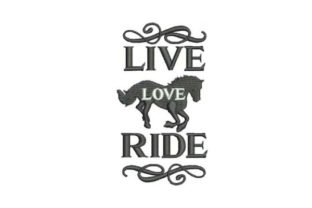
When a new embroidery design lands in my library, my first question isn’t “Is it cute?”—it’s “How will it work?” I’m looking at Live Love Ride, a horse-themed machine embroidery design, from that exact perspective. As someone who uses files for client projects, handmade products, and my own small shop, a design must earn its place by performing well on real fabric, not just in a preview window.
The First Impression: Where This Design Naturally Belongs
Live Love Ride strikes me immediately as a warm, affectionate motif. It has a friendly, approachable personality—it’s not a fierce stallion but a design full of charm. The layout and detailing suggest it’s meant to create a feeling of fondness and connection. This isn’t a generic sports logo; it’s a decorative piece with emotional weight. That mood tells me it’s a natural fit for personalized gifts, boutique nursery decor, or items meant as a keepsake. I picture it on a baby blanket for a little one who loves horses, or as a sweet accent on a wedding gift for a couple of equestrians. Its visual personality leans toward the sentimental, which is a powerful driver for customer engagement in handmade markets.
Thinking Through a Real Project: The Custom Tote Bag
Let’s walk through a real case. Say an Etsy seller wants to create a line of embroidered tote bags with nature themes. Live Love Ride comes up as a potential design. My designer mind starts judging: The shape is likely balanced enough to sit nicely on the bag’s panel without looking cramped or off-center. The detail level, described as “beautiful features,” needs to translate into clean stitching—fine lines and contours must be distinct, not blurred by dense fills. On a tote, which is often a mid-weight canvas, the stitch density needs to be suitable to avoid puckering. I’d be thinking about thread color contrast: using a soft brown palette on a natural linen bag for a rustic look, or a bolder black outline on a dark denim for clarity. The finished product’s value hinges on that stitching clarity; a crisp, professional-looking embroidery builds customer trust and makes the item feel premium, not homemade in a careless way.
Performance Across Different Embroidery Situations
This design’s versatility will be key for crafters and apparel decorators. For custom apparel like sweatshirts, the design’s size and detail need to work with the fabric’s stretch and texture. A too-dense satin stitch area on a sweatshirt fleece can sink in and look muddy. On the flip side, on a smooth cotton t-shirt, those “beautiful features” could shine. For baby embroidery on a knit jersey, I’d be extra cautious about stabilizer choice to maintain softness while keeping the design intact.
As an embroidered patch, Live Love Ride could be excellent—its thematic appeal makes it a standalone piece people might buy to apply to jackets or bags. For holiday embroidery or special occasion gifts, like a kitchen towel for a horse-loving friend, it adds a personalized touch that generic store-bought items lack. In a small shop product line, such a design can create brand consistency if you offer a series of animal-themed items; it becomes part of a recognizable collection that buyers seek out.
Where You Should Proceed with Caution
Every design has its ideal applications and its tricky ones. With a design like this, I’d advise careful testing on small hoop sizes if you plan to miniaturize it for a cap or hat. Tiny lettering or intricate details might not reduce cleanly. On dark fabric, the design’s appeal depends heavily on its built-in underlay and stitch sequence—without a proper punch, lighter thread colors on dark backgrounds can look sparse. Textured fabrics like towels or blankets require adjustments in stabilizer to keep the fill stitches looking smooth. And for products destined for frequent washing, like baby clothes or aprons, the stitch integrity is paramount; you’d want to ensure the design isn’t so finely detailed that threads are prone to snagging over time.
The Practical Impact on Your Craft Business
Using a well-executed embroidery file like Live Love Ride affects more than just the stitch-out. It impacts your workflow, your customer’s perception, and your bottom line. For a digital product seller offering the file itself, a design that stitches out “amazingly” as described becomes a reliable asset you can confidently list. For a creative entrepreneur making finished products, it translates into faster production with fewer failed runs, higher giftability due to its appealing theme, and stronger handmade presentation because the result looks intentional and skilled.
For commercial embroidery projects, perhaps for a local riding club’s merchandise, this design could serve as a friendly, non-technical logo. Its professional execution on polo shirts or patches would enhance the group’s branded look.
Essential Designer Notes Before You Hoop It
Before you run this machine embroidery design on a client’s order or your new product sample, do your homework. Always test the design on scrap fabric first—the same fabric and stabilizer you’ll use for the final project. This reveals everything: whether small details stitch cleanly, if satin stitch borders are smooth, and how the overall density feels. Check the actual hoop size requirement; don’t assume. Inspect the design in a black and white mockup to judge its composition without color distraction. Compare how it looks on light and dark background previews to plan your thread palette.
Since the product description mentions it comes with multiple embroidery file formats, confirm you have the correct one for your machine before starting. This basic step saves immense frustration. Also, critically, confirm the licensing terms if you plan to sell the finished items or include the file in a digital product bundle. Understanding whether it’s for personal use, commercial use, or both is non-negotiable for running a legitimate craft business.
Live Love Ride, as a horse embroidery design, has the potential to be a lovely, reliable element in your creative work. Its success, however, depends on your practical approach. By judging its real-life performance, testing thoroughly, and matching it to projects where its sentimental personality and structural details will flourish, you turn a digital embroidery file into a product that truly resonates—with you during the making, and with your customer when they receive it.