Evaluating Baby Feeder for Real-World Embroidery Projects
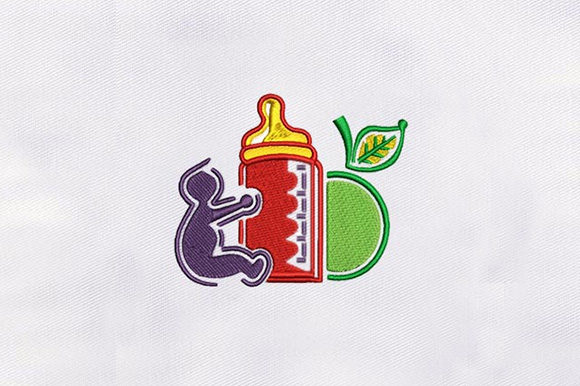
When a design file lands in my library, my first question isn't about file formats—it’s about character. Does this design have a personality that will translate through thread? Opening Baby Feeder, I immediately get a sense of warm, gentle utility. It’s not a flashy, cartoonish baby icon; it feels more like a subtle, emblematic nod to nurturing. That’s a valuable starting point for any embroidery project aiming for a thoughtful, rather than merely cute, result.
The Mood and Fit: Where This Design Naturally Belongs
This design creates a mood of quiet care. The shape and likely layout suggest a focus on the functional object itself, which gives it a grounded, almost heirloom-quality feel. For an experienced designer, that signals it belongs on items where the story matters. I picture it stitched onto a linen apron for a new parent, the centerpiece of a baby blanket’s corner, or as a recurring motif on a set of kitchen towels for a nursery. It wouldn’t feel out of place on a custom apparel item like a simple sweatshirt for a grandma, but its true home seems to be on those practical, soft-touch items used in daily life.
For small business owners and Etsy sellers, this is the kind of design that elevates a basic product. A plain cotton tote bag becomes a personalized "baby essentials" carry-all. A simple pillow cover becomes part of a nursery decor set. Its visual personality leans classic, which means it has broad appeal and won’t clash with various decor styles—a smart choice for craft business items aiming for versatility.
Considering Performance on Actual Fabrics and Products
Thinking about real-life embroidery, my mind goes to the stitch execution. A design with this theme likely relies on clean outlines and perhaps some internal detail. On a sweatshirt or baby clothes, the key will be stitch density and fabric texture. A too-dense fill stitch on a stretchy knit could lead to puckering; a delicate running stitch on a thick towel might get lost. This is where the provided array of embroidery file formats is crucial—it means you can likely optimize the file for your specific machine and intended hoop size.
For a project like an embroidered patch to be applied to a backpack, the design’s clarity when stitched out standalone is paramount. I’d want to test it on a firm stabilizer first to see if small curves or corners remain sharp. On darker fabrics, thread color contrast becomes a major player; a light, creamy thread palette would make this design pop on a dark denim cap, but you must ensure the design isn’t so finely detailed that it gets muddy.
Where Caution is Needed: Making Baby Feeder Work Every Time
Even with a lovely design, practical judgment dictates where to proceed carefully. I would be hesitant to hoop this into a very small hoop size unless the design is explicitly simplified for that scale. Compressing its elements could lose the gentle charm. Textured fabrics like terry cloth or heavily napped fleece require extra stabilizer and possibly a reduction in detail to maintain readability.
For items destined for frequent washing—think baby embroidery on bibs or burp cloths—the integrity of the stitches is key. A design with long satin stitch sections might be more prone to snagging compared to shorter, tighter fills. Always test the design on scrap fabric first, using the same material and stabilizer combo as your final product. This isn’t just about testing mechanics; it’s about seeing the physical finished product. Does it feel robust? Does it look as good in thread as it does on the screen?
The Impact on Customer Perception and Product Value
From a commercial standpoint, how a design stitches out directly affects customer trust and perceived value. A clean, well-executed Baby Feeder emblem on a holiday gift like a personalized tea towel conveys professionalism. It tells the buyer that the handmade product was crafted with precision. For a digital product seller, offering this file as part of a babies themed bundle, its performance in printable mockups and real stitch-outs becomes a selling point. Customers want to know it works.
This design’s classic tone aids brand consistency for a boutique focusing on gentle, natural parenting products. It feels giftable and recognizable without being trendy or fleeting. That longevity is an asset for creative entrepreneurs building a line of small shop merchandise.
Essential Designer Notes Before Hooping Up
Before committing this to a client’s project or your own craft fair products, here’s my mental checklist. First, check thread color contrast. Run a mental—or actual—test it in black and white mockups to see if the composition holds its form without color. Compare light and dark fabric backgrounds digitally to plan your thread choices.
Always use proper stabilizer. For a potentially delicate design, a solid foundation is non-negotiable. Inspect small details in the file preview on your software; look for any tiny elements that might vanish or merge when stitched. Crucially, confirm licensing before selling finished items or digital products. The file formats included suggest wide compatibility, but the usage rights are separate. Ensure your commercial embroidery or resale of digitized assets is covered.
Finally, think about the end use. Is this for a personalized gift where one-off perfection is the goal? Or is it for a production run of baby embroidery on blankets where consistency across multiple hooping sessions is key? That decision will guide your testing and setup. The beauty of a design like Baby Feeder is in its sincere simplicity. When stitched well on the right item, it doesn’t shout; it simply speaks of care, making it a quietly powerful tool in any maker’s arsenal.