Embroidery Review: The Engagement Ring Design
As a designer who stitches everything from boutique apparel to patches for craft fairs, I’m always looking at embroidery files with a practical eye. It’s not just about whether a design is pretty, but how it behaves when the needle hits the fabric, what it adds to a finished product, and whether it resonates with customers. Today, I’m thinking through the Engagement Ring machine embroidery design.
A First Impression: Elegant and Sentimental
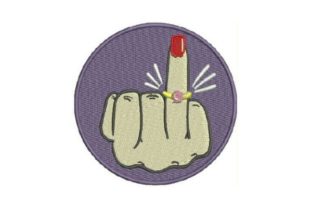
My immediate reaction to this design is that it’s clean, romantic, and universally recognizable. The theme is classic—a single, detailed ring—which creates a mood of celebration and commitment. It’s not overly fussy or dense; the layout feels balanced, suggesting it would stitch out with clear definition. This visual personality makes it belong, almost instinctively, to projects meant as keepsakes or personalized gifts. It’s the kind of embroidery file you’d consider for a special occasion piece rather than everyday decor.
Where This Ring Shines in Real Projects
I’m picturing a real-life scenario: a client wants a custom embroidered tote bag as a bridal shower gift. The Engagement Ring design comes to mind immediately. It would sit beautifully on a canvas tote, offering a subtle, meaningful decoration. Beyond that, I envision it working well on:
- Embroidered patches for jackets or hats, serving as a sentimental emblem.
- The corner of a high-quality pillow cover for a newlywed’s home.
- A premium sweatshirt or hoodie, creating a personalized, giftable apparel item.
- Baby clothes or nursery decor items, if the theme is celebrating a marriage and new family.
- Simple kitchen towels or aprons as a unique wedding gift from a small shop.
- A delicate placement on a blanket, making it a cherished heirloom.
For creative entrepreneurs, this design adds clear value. On an Etsy listing for a custom embroidered item, it elevates the product from generic to purpose-made. It enhances handmade presentation and boosts giftability because the meaning is instantly understood. For a craft business, using such a recognizable, positive symbol can build customer trust—it feels professional and thoughtful.
Practical Considerations for Stitching Success
While the design appears elegant, its successful execution depends on mindful application. Here are the situations where I’d proceed with extra care:
- Small hoop sizes: If the ring design has intricate details, like small stone outlines or thin bands, stitching it very small might lose clarity. Always test at your intended size on scrap fabric first.
- Textured or stretchy fabrics: On a slub knit sweatshirt or a thin t-shirt, dense fill stitch areas could pucker. Proper stabilizer choice is critical here.
- Dark fabric backgrounds: The design’s appeal depends on contrast. Review stitch density and consider thread color choices—a metallic or bright white might be needed for pop on dark denim or caps.
- Curved surfaces like caps: The symmetrical shape of a ring could distort on a curved baseball cap seam. A test run is non-negotiable.
- Products needing frequent washing: For baby clothes or kitchen towels, ensure the stitch structure is secure and not too delicate to withstand laundering.
The visual appeal and stitching clarity directly affect customer perception. A blurry, puckered ring on a product meant as a gift undermines your brand consistency. Conversely, a crisp, well-executed embroidery enhances professionalism and buyer engagement—they see the care taken.
Notes from the Worktable: A Designer’s Checklist
Before I’d use the Engagement Ring embroidery file for any client project or small shop merchandise, my process would involve these steps:
- Test on scrap fabric first: Use the exact material I plan for the final product—be it cotton twill for a tote or fleece for a sweatshirt.
- Check thread color contrast: Stitch it in both light and dark thread on light and dark fabric backgrounds to see its range.
- Review stitch density: Look for any overly dense areas that might be stiff or cause fabric pull.
- Confirm the hoop size needed: While the product description mentions compatibility, I’d verify the minimum and maximum sizing for my specific machine to ensure detail integrity.
- Inspect small details: If the design includes tiny elements like a prong setting or minute accents, ensure they stitch cleanly without jumps or fills.
- Test in digital mockups: Creating a black and white printable mockup can help visualize it on different products before stitching.
- Use proper stabilizer: Match the stabilizer to the fabric weight and project type—no guessing.
- Check licensing: The description notes it’s a machine embroidery file for the bride-to-be, but I would always confirm the license terms before selling finished items or digital products commercially.
The Final Take: A Design with Purpose
The Engagement Ring design isn’t a generic decoration; it’s a design asset with a specific emotional pull. In the right project—a well-planned, carefully stitched handmade product—it can transform a simple tote bag, pillow, or apparel item into a meaningful keepsake. Its success hinges on the designer’s practical application: choosing the right fabric, the right size, and the right context. For crafters and small business owners looking to add a touch of celebration to their work, this embroidery file offers a solid, recognizable foundation. Just remember, its beauty on screen is only a promise; its real value is proven by the quality of the stitches you produce.