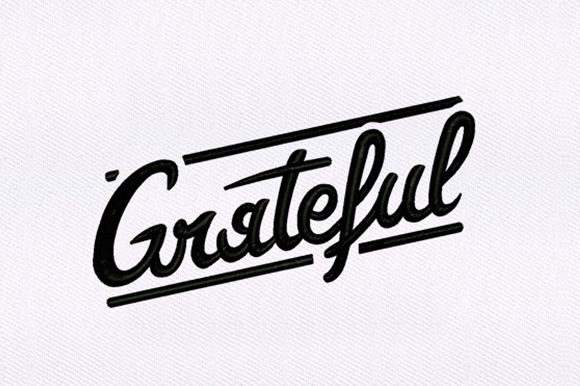
Createful Cap Design: A Designer's Review for Craft Fair Success
As a professional embroidery designer preparing for a weekend craft fair, every file I choose has to be scrutinized through a real-world lens: will it sell, will it look good in person, and can I produce it reliably? When evaluating the Createful Cap Design for my booth of handmade goods, my first impression is one of playful creativity and modern, upbeat awareness. The title suggests a design that’s not overly rustic or minimalist, but rather decorative and engaging—perfect for products that need to catch a customer’s eye from across a busy market aisle.
Where Createful Cap Design Stands Out on the Booth Table
My display typically includes embroidered tote bags, aprons, tea towels, caps, patches, small pouches, pillow covers, and market bags. For Createful Cap Design, I immediately see its strength on caps and tote bags. Given its name and the "Awareness" category, it likely carries a message or motif meant to be seen and shared. On a cap, it becomes a focal point on a curved surface, a challenge many designs fail at, but one that can make a product feel premium. On a flat canvas tote or a crisp apron, it could serve as a bold, central statement. For smaller items like fabric pouches or as an embroidered patch, I'd need to assess the design's detail level—if it has tiny lettering or dense stitch areas, reducing its size might sacrifice clarity.
From Digital File to Physical Product: A Production Checklist
The provided embroidery file formats are extensive, covering most major machine types, which is excellent for fellow Etsy sellers and small shop product creators. However, the crucial details for production aren't included in the description. Before I stitch anything for sale, I must check the specific file for my machine to confirm the hoop size, estimated stitch count, and any thread colors listed within the design itself.
My practical embroidery designer notes for this design, and any similar machine embroidery design, always start with testing. I will run Createful Cap Design on scrap fabric first. This allows me to inspect the stitch density—high density can be beautiful but may cause puckering on thinner fabrics like tea towels or pouches. I'll check thread contrast, especially if planning to use it on dark fabric, and review the spacing of elements to ensure the design reads well at a glance. Using the right stabilizer for the fabric texture—be it a textured towel, a thick canvas bag, or the curved cap surface—is non-negotiable for a clean finish.
Photographing and Producing for Maximum Appeal
How a design photographs for Etsy listings or printable mockups is just as important as its physical look. A design with good contrast and clear shapes, like what I expect from Createful Cap Design, will photograph well, making online sales stronger. For batch production at the fair, I consider its repeatability. Does the design have a balanced stitch time and thread consumption that makes producing ten tote bags practical? I also create at least one real, finished mockup—a physical cap or bag—to judge the handmade product quality and visual weight it adds to an item.
Customer Attention and Booth Display Strategy
At a craft fair, customer engagement is driven by visual appeal and perceived value. An embroidered patch or apron embroidery featuring Createful Cap Design should feel intentional and well-made. If the design is bold and modern, it can anchor a section of my booth, creating brand consistency across different product types. A cap with this design displayed prominently can draw in buyers interested in unique, wearable art. The "Awareness" aspect might resonate personally with customers, increasing engagement and the likelihood of a sale as a handmade gift.
Careful-use notes are critical. If the design has very small details, I would avoid applying it to highly textured surfaces like certain kitchen towels where stitches can get lost. I would also test it at different sizes to see if it works as a small accent on a pouch or needs to be the large focal point on a pillow cover to maintain its impact. The design’s success hinges on its clarity and craftsmanship when a customer picks up the item to examine it closely.
The Final Step Before Selling
My last point of review before committing Createful Cap Design to my production queue is licensing. The description states it is a design for commercial embroidery, but I always double-check the specific terms included with the digital embroidery file to confirm I can legally sell the finished products. Once that’s confirmed, and my tests are successful, this design has the potential to be a strong, attention-grabbing addition to my lineup of craft fair products, enhancing the overall strength and variety of my booth display.
In summary, from a professional standpoint, Createful Cap Design presents as a versatile, modern option for craft fair sellers and boutique makers. Its application on caps and bags seems ideal, but its true potential will be unlocked only through methodical testing on various fabrics and surfaces. By focusing on production quality, visual clarity, and display strategy, this embroidery design can translate into products that not only look premium but also engage customers and drive sales on the busy market floor.