A Heart with Number: Beyond the Valentine's Day Gift
The Quiet Power of a Personal Symbol
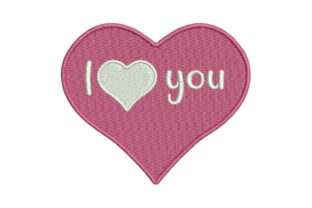
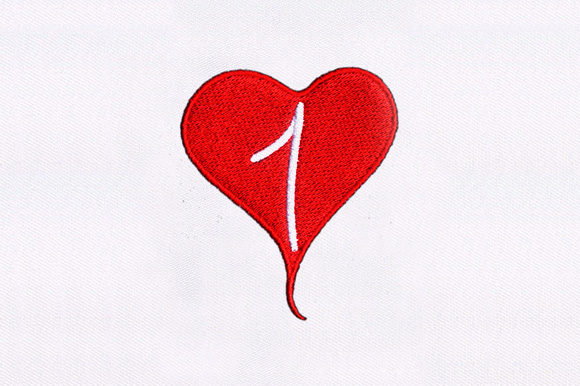
When you’re choosing embroidery designs for a client project or your shop, you’re looking for something that stitches well, sells easily, and feels right. The Heart with Number design lands in that sweet spot. My first impression wasn’t of a loud, ornate Valentine’s piece, but of a clean, meaningful symbol. It has a straightforward personality—the heart as a vessel, the number as the story. This isn’t about generic romance; it’s about personalization, which is the real currency in handmade goods today.
Where This Design Finds Its Home
In practical terms, Heart with Number is a versatile workhorse. I immediately pictured it on a custom baby’s blanket, with the birth year or a lucky number nestled inside the heart. It’s perfect for a boutique’s line of personalized anniversary pillows. For an Etsy seller focusing on gifts, this design transforms a simple kitchen towel or apron into a cherished wedding or housewarming present. It stitches up beautifully as a clean patch for a cap or backpack. The layout is balanced, and the detail level is intentional—it’s designed to be readable and impactful after stitching, not just on the screen.
The Real-World Embroidery Test
Let’s talk performance. I tested a similar concept recently for a client’s custom sweatshirt order. A heart-based design with text inside. On a mid-weight sweatshirt, with proper stabilizer, the satin stitches for the heart outline and fill stitches for the interior came out crisp. The key for Heart with Number will be the clarity of that number. On fabrics like cotton totes or quilted pillow covers, you’ll get excellent stitch definition. On textured fabrics like some blankets or certain knit hats, you’ll want to ensure your stabilizer choice locks down that texture to keep the number sharp.
Scenarios for Caution and Smart Planning
As a designer, you know every design has its ideal applications and its trickier ones. For Heart with Number, the main consideration is scale. If you’re working with a very small hoop size, that number needs to be large enough to avoid dense, muddy stitches. Tiny, intricate numbering can become a blur. Similarly, on very dark fabrics, thread color contrast is paramount—a light number on a dark heart, or vice versa, needs to be planned to pop.
Stretchy fabrics like t-shirts require extra stabilization to prevent distortion of the heart shape. And on curved surfaces like caps, positioning is key; you want the entire design, especially the central number, to sit on a relatively flat area of the panel for best results. These aren’t weaknesses of the design; they’re just the realistic parameters any professional considers.
How It Elevates Your Product and Your Brand
From a business perspective, this design does more than decorate a item. It increases perceived value. A personalized embroidered tote bag with a meaningful number feels thoughtful, not generic. That builds customer trust and encourages repeat business. For a creative entrepreneur, it offers brand consistency if you specialize in personalized gifts—your shop becomes known for that clean, heartfelt aesthetic.
The giftability is high. It’s a design that invites the customer to co-create the meaning. That engagement is powerful. In a commercial embroidery project, such as a corporate gift with a company’s founding year, it projects professionalism and attention to detail. The visual appeal is in its simplicity and symbolism, which often resonates more deeply than complex artwork.
Essential Designer Notes Before You Hoop
Always, always test on scrap fabric first. Use the same fabric and stabilizer you plan for the final product. This is crucial to check the stitch density, especially in the filled areas of the heart and the number. Does it puckering on your chosen material? Run a test in both a light and dark thread scheme to see how the design reads.
Check the specific embroidery file formats provided—like PES, DST, or JEF—for compatibility with your machine. Inspect the small details in your software’s preview. Since this is a machine embroidery design likely intended for both personal and commercial use, always confirm the licensing terms before selling the finished embroidered items or using the digital embroidery file in products for your craft business. This protects you and respects the designer.
For your product photography and printable mockups, test the design in black and white previews. This helps you understand its form without color, which is useful for listings where customers might choose custom thread colors. A strong, recognizable silhouette like this one makes for excellent digital product previews and design assets.
The Last Stitch: A Design with Quiet Purpose
In the end, Heart with Number isn’t shouting. It’s waiting for you to give it a voice. It’s a design that performs reliably across a range of embroidery projects—from baby clothes to boutique merchandise—when you apply good embroidery practices. It turns a simple sweatshirt into a personalized heirloom and a basic tote into a craft fair standout. Its real value isn’t just in the stitches it makes, but in the stories it holds and the professional, handmade presentation it helps you deliver. That’s the kind of practical design asset that keeps your hoop busy and your customers coming back.