A Deliciously Practical Summer Embroidery Design
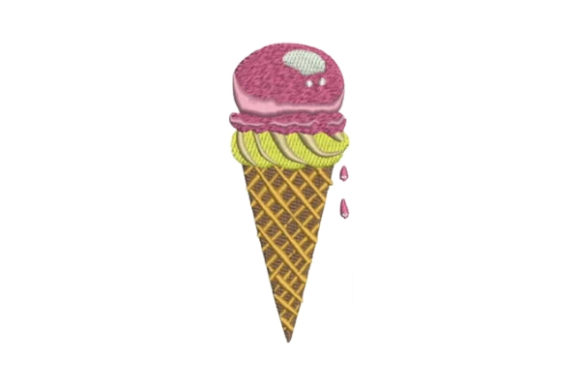
Every time I evaluate an embroidery file for a client project or my own small shop merchandise, I start with a simple question: does this design have the visual personality to not just stitch well, but to sell? When I first opened the Ice Cream Cone Dripping embroidery file, my immediate impression was a strong yes. This is more than just a dessert motif; it’s a cheerful, relatable symbol of summer fun that feels instantly giftable.
The Sweet First Impression: Mood & Visual Personality
The design’s name, Ice Cream Cone Dripping, tells you exactly what you’re getting—a playful, slightly messy treat. This isn’t a stiff, perfect illustration. The dripping element adds motion and a touch of whimsy. It creates a mood of lighthearted nostalgia, perfect for projects aimed at evoking happy, carefree moments. The shape is clean and recognizable, with a level of detail that suggests it will translate nicely into satin stitches and fills without becoming overly dense. It belongs naturally on anything meant for leisure, celebration, or personal enjoyment.
Where It Stitches Out Beautifully: Real Project Fit
Let’s walk through a real scenario. I’m preparing a custom embroidered tote bag for a local boutique’s summer collection. The owner wants something that feels handmade and joyful. Ice Cream Cone Dripping is an ideal candidate. Stitched on the bag’s cotton canvas, it would act as a charming, standalone focal point. The same logic applies to a range of projects I regularly handle:
- Custom Apparel: On the chest of a lightweight sweatshirt or a baby’s romper, it becomes a subtle, sweet decoration. The design isn’t overly large or aggressive, making it suitable for children’s items and adult casual wear.
- Home & Gift Items: A single cone embroidered on a kitchen towel or a pillow cover instantly thematicizes the object for summer entertaining or a housewarming gift.
- Small Business Merchandise: For Etsy sellers or craft fair vendors, this design offers high recognition. It can be the centerpiece on an apron, a cap, or as a standalone patch. Its appeal is broad, which helps with buyer engagement.
- Personalized Products: Imagine pairing it with a name on a baby blanket or using it as a decorative accent on a wedding gift bag. It elevates the handmade presentation without overpowering the personalization.
Considering the Stitching Ground: Where to Exercise Care
No design is universally perfect for every fabric or context. The practical judgment comes from knowing its limits. The dripping detail and likely tapered cone shape mean there are small areas and potentially detailed corners. Here’s where I’d be cautious:
- Very Small Hoop Sizes: If the design is intended for a tiny hoop, those fine details might lose clarity or become too dense. Always test on scrap fabric first.
- Textured or Stretchy Fabrics: On a loose-knit sweater or a stretchy t-shirt, the fill stitches for the ice cream scoop could require very precise stabilizer choice to prevent puckering.
- Dark Fabric Backgrounds: The design’s cheerful mood often relies on light, creamy thread colors. On dark fabrics, you must carefully check thread color contrast to maintain visual pop. Testing it in a black and white mockup can help preview the contrast.
- Curved Surfaces: Embroidering it on a cap’s curved panel requires attention to the design’s orientation and potentially adjusting stitch density to accommodate the curve.
- Products for Frequent Wash: On items like kitchen towels or baby clothes that undergo heavy washing, the integrity of those small satin stitch drips should be confirmed through a durability test.
The Impact on Value & Professional Execution
Using a design like this professionally isn’t just about the stitchout; it’s about the final product’s perceived value. A clean, well-executed Ice Cream Cone Dripping embroidery on a tote bag suggests quality craftsmanship, building customer trust. For creative entrepreneurs, it supports brand consistency if your shop focuses on playful, seasonal items. Its inherent giftability is a major asset—it looks like something made with care for a specific person or occasion.
For commercial embroidery projects or as a digital embroidery file sold as a design asset, its clear theme and strong visual identity make it easy for other makers to envision its use, which aids in their purchasing decision. It fits neatly into the dessert category without being generic.
Essential Designer Notes Before You Hoop It
Before I commit this design to a client’s garment or my own product line, my checklist is practical and straightforward:
- Run a test on a scrap of your intended fabric type—don’t assume it will behave the same on towel terry as it does on quilt cotton.
- Review the stitch density in your software preview. Are the fill areas balanced? Could small details like the drip lines benefit from a slight adjustment?
- Confirm the necessary hoop size for a clean stitchout and consider the design’s placement on the final product.
- Experiment with thread colors. While likely intended for light backgrounds, a clever color swap could make it stunning on darker materials.
- Use proper stabilizer. This is non-negotiable for preserving clarity, especially on less stable fabrics.
- Crucially, check the licensing terms of the embroidery file. If you’re selling finished products or using it in commercial embroidery, ensure your use is covered. Never assume.
In the end, Ice Cream Cone Dripping stands out as a design that bridges the gap between simple charm and practical application. It has the personality to attract attention and the structural clarity to stitch out reliably, making it a smart choice for hobbyists personalizing a gift and for businesses building a summer product line. It reminds us that the best embroidery designs aren’t just technically sound; they tell a little story that people want to wear, carry, or give away. That’s the sweet spot.